Sector Applications
THREON applies its Global Orchestration Engine™
across sectors where energy, infrastructure, governance, and capital must operate as a coordinated system.
These environments demand not just delivery — but continuity, sequencing, and system-level integrity.
These applications illustrate how the Engine establishes programme architecture and infrastructure sequencing across different institutional and operational environments. — subject always to mandate, procurement, and formal appointment.
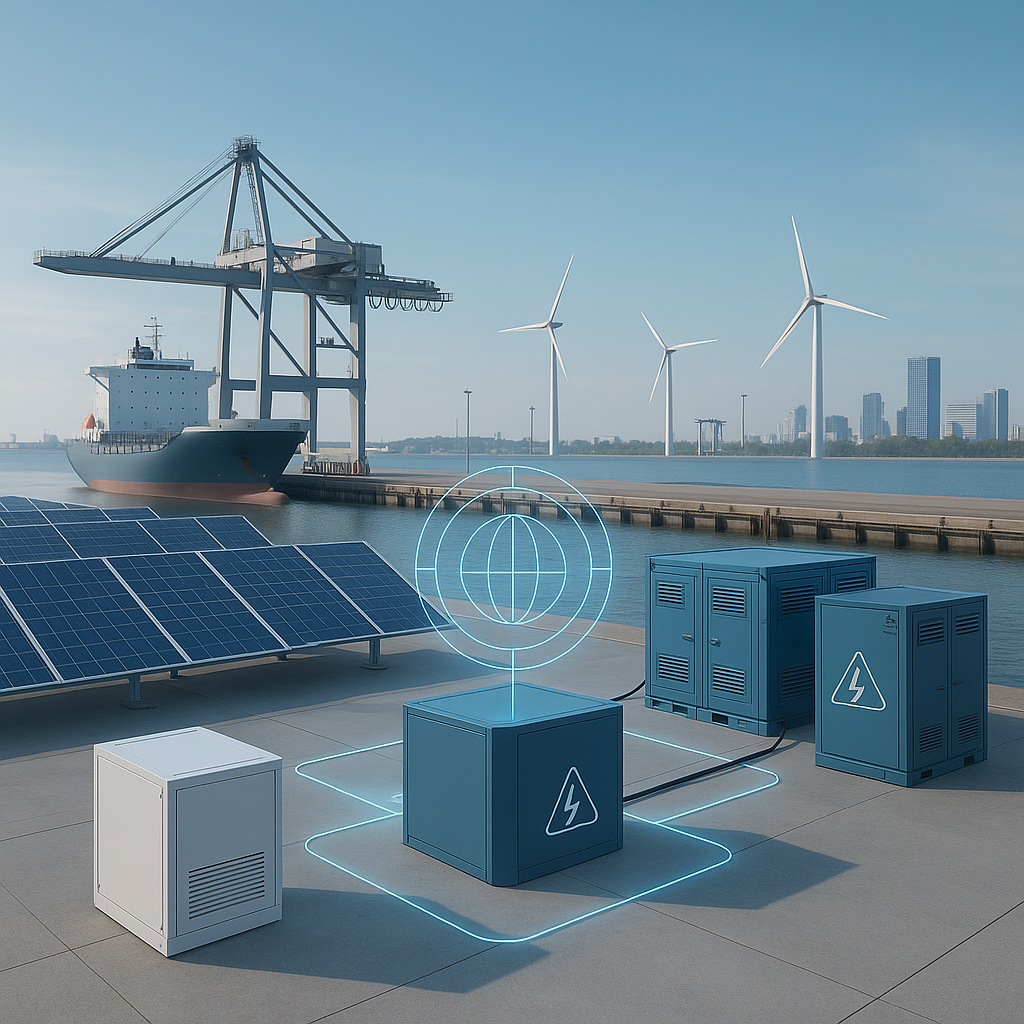
Ports & Maritime Infrastructure
Ports sit at the intersection of energy transition, trade resilience, and regulatory change.
The Engine enables the orchestration of shore power, electrification, generation, storage, and grid interfaces within live, safety-critical environments — ensuring alignment with national policy, infrastructure sequencing, operational continuity, and long-term decarbonisation pathways within live, high-risk environments.
These systems require precise coordination across infrastructure, operations, and regulatory oversight to maintain performance without disruption.
Airports & Aviation Systems
Airports require energy systems that are resilient, scalable, and compliant with safety-critical standards.
The Engine supports the integration of microgrids, electrified ground operations, charging infrastructure, and energy resilience measures — structured as coordinated infrastructure systems rather than isolated projects and governed to meet aviation safety standards, regulatory requirements, and institutional oversight expectations without disrupting operations.
Fragmented delivery in these environments directly impacts throughput, cost, and system resilience.

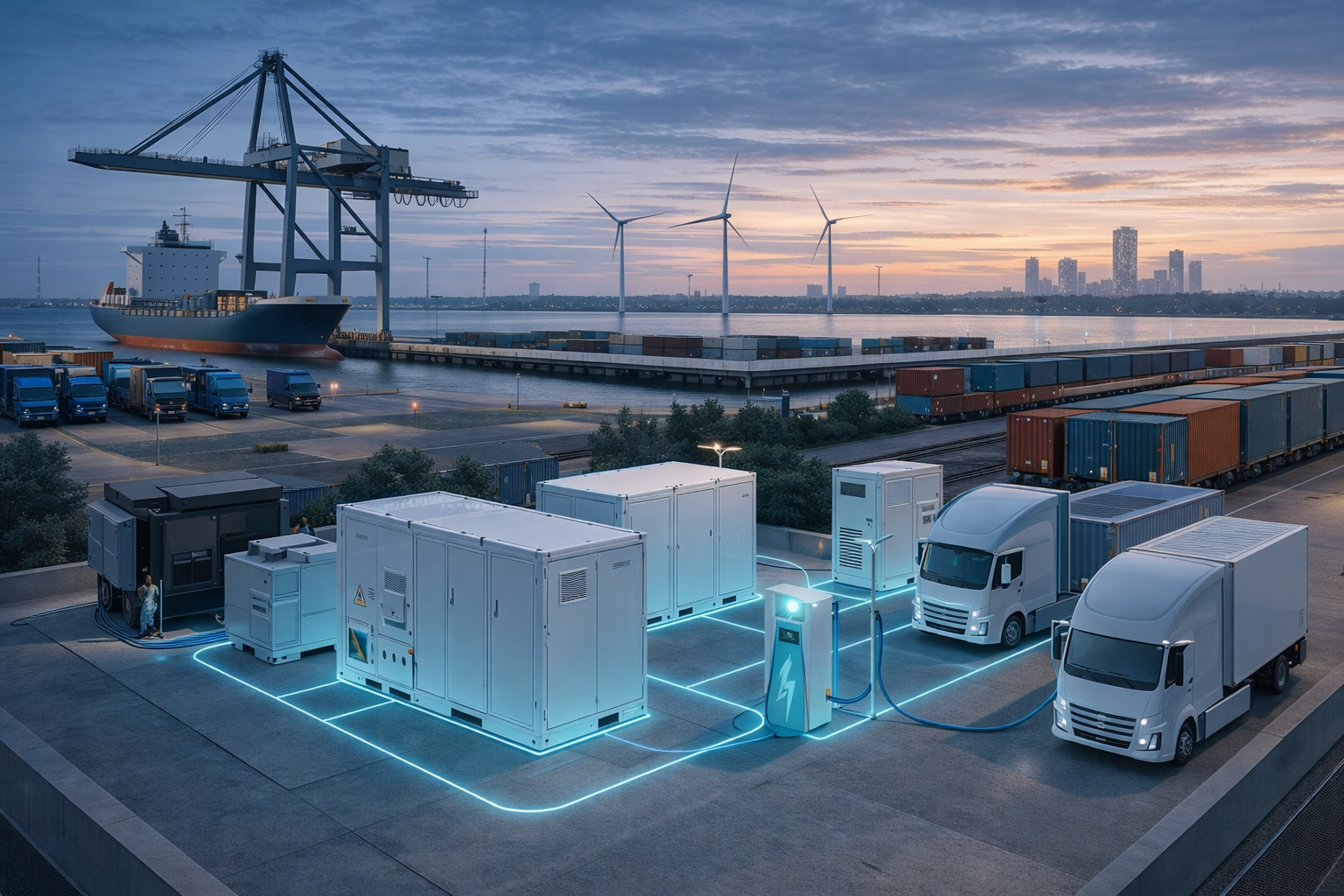
Logistics, Trade & Industrial Infrastructure
Logistics corridors, ports, and industrial zones depend on reliable, flexible energy systems.
The Engine enables coordinated electrification, storage, and grid-edge infrastructure that supports industrial activity, intermodal transport, and long-term economic resilience — structured as coherent infrastructure programmes rather than isolated projects.
Fragmented delivery in these environments directly impacts throughput, cost, and system resilience.
National & Regional Energy Systems
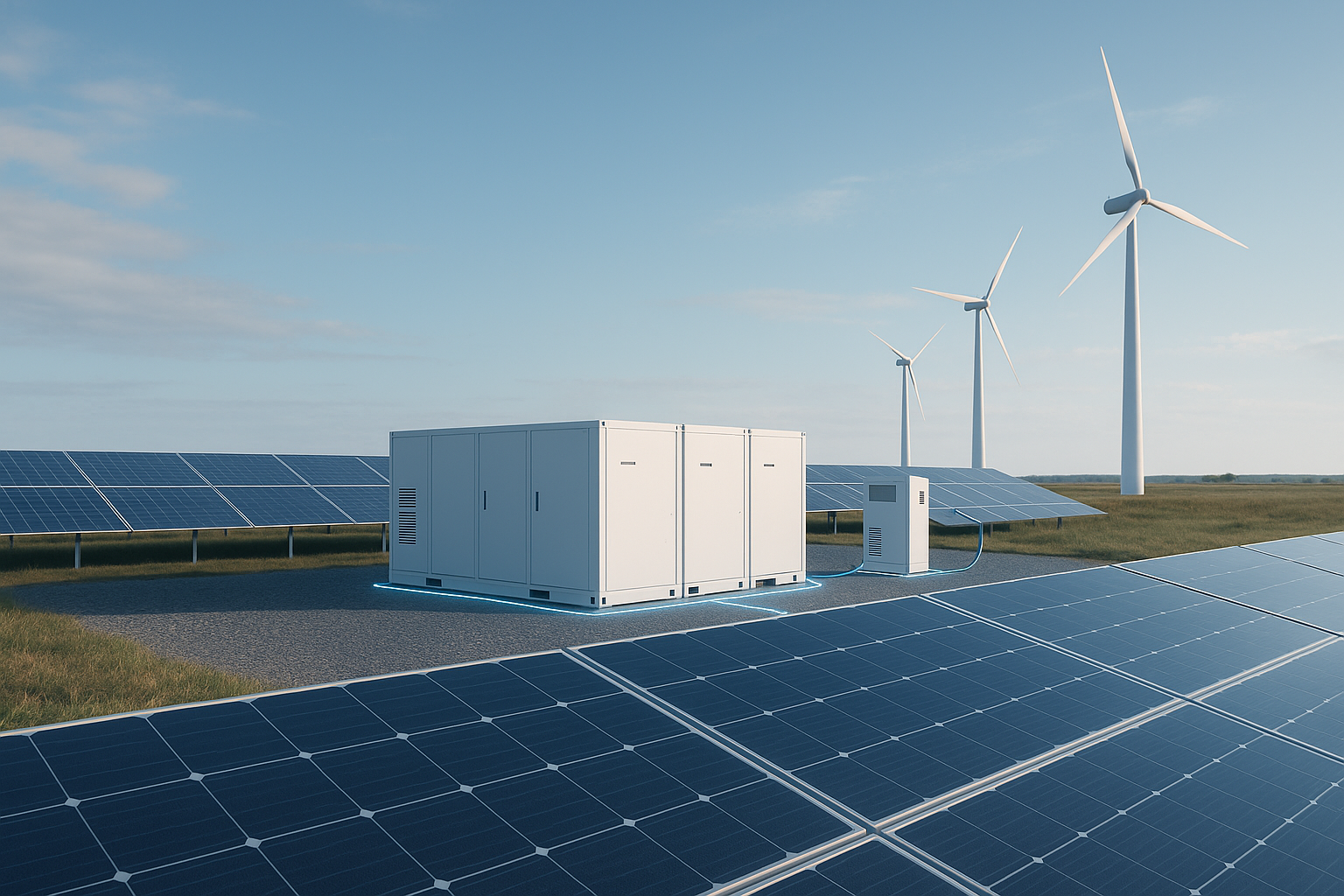
At national and regional scale, energy transition requires alignment across policy, capital, delivery, and governance.
The Engine enables integrated generation, storage, flexibility, and grid-edge programmes — enabling transition programmes that are bankable, governable, and scalable across jurisdictions — structured to remain bankable, governable, and executable across jurisdictions.
At this scale, misalignment between policy, capital, and delivery results in systemic underperformance.
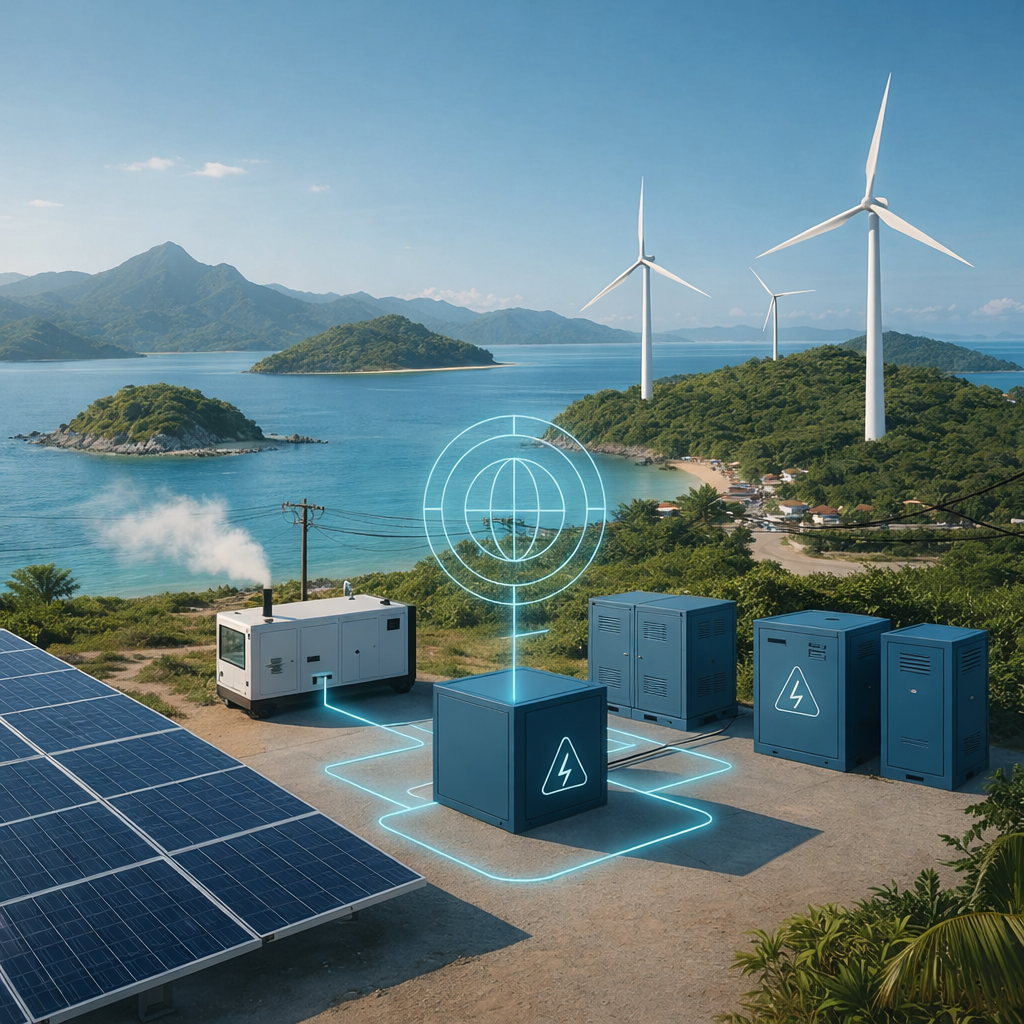
Islands, Remote & Constrained Grids
Island and constrained grid environments face unique resilience, cost, and security challenges.
The Engine enables integrated, modular transition architectures that reduce fuel dependency, improve reliability, and align infrastructure investment with long-term resilience and energy security objectives.
These systems require tightly coordinated deployment to avoid inefficiency, instability, and long-term cost escalation.
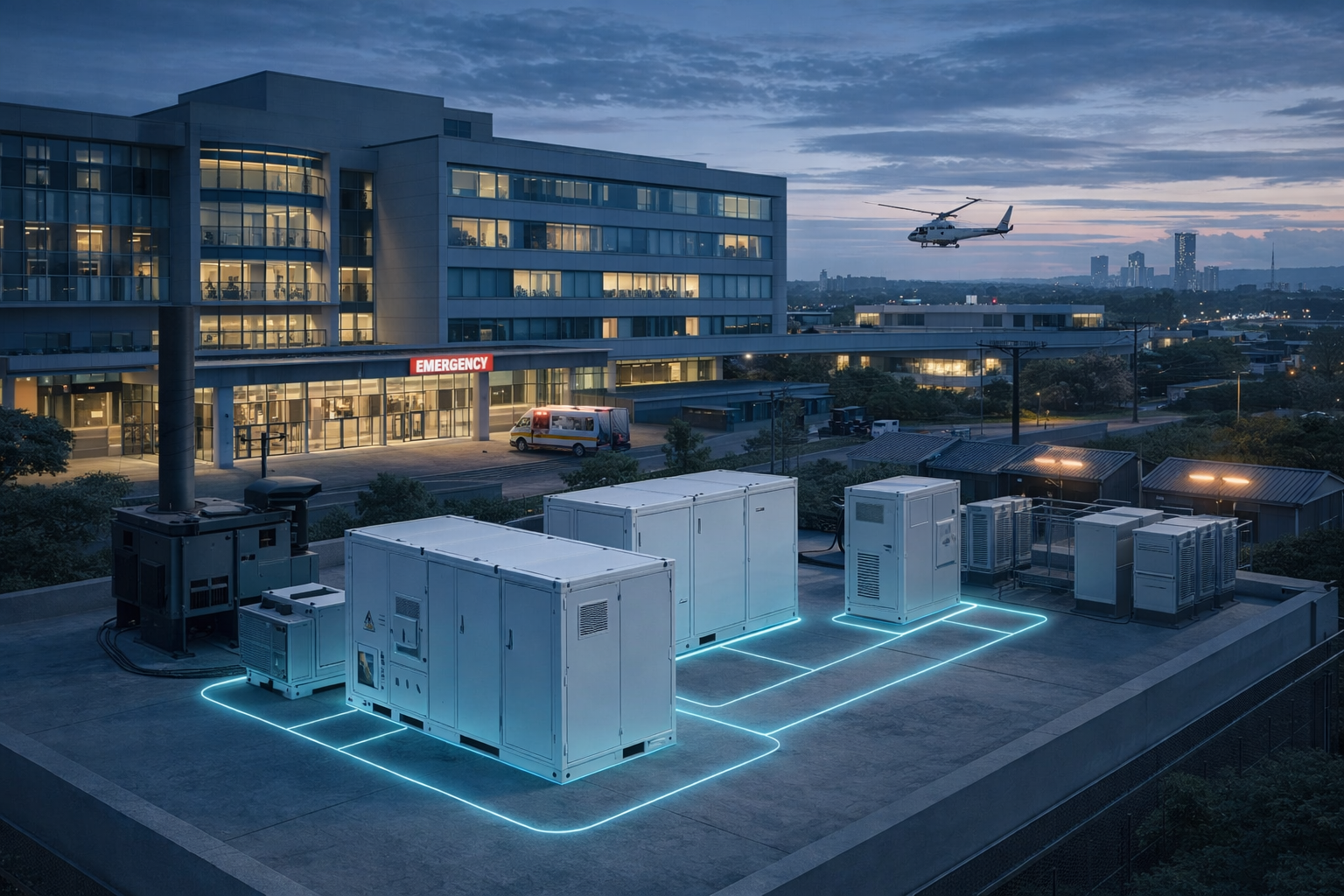
Critical & Public Infrastructure
Hospitals, utilities, transport hubs, and other critical assets require energy systems that prioritise continuity and accountability.
The Engine supports the orchestration of resilient energy and infrastructure systems where failure has direct social, economic, and national consequences.
In these environments, continuity and accountability are not enhancements — they are requirements.